Traditions that Connect People
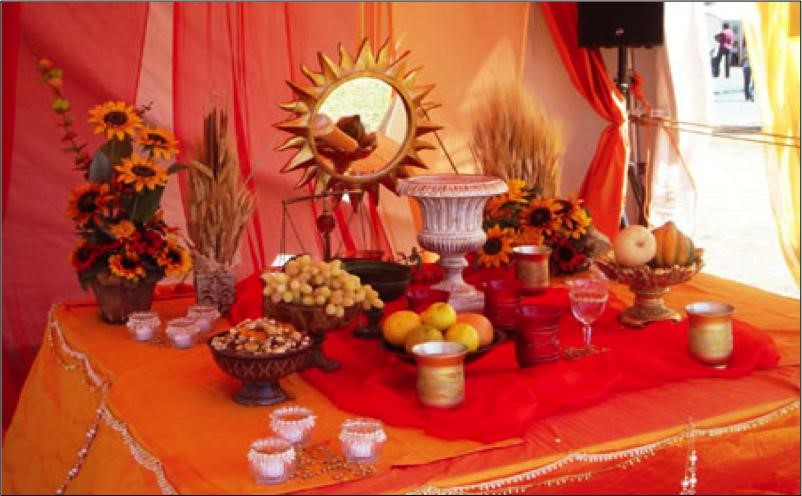
Iranian culture has a history spanning thousands of years. Celebrations such as Nowruz, Yalda, and Mehregan represent hope, community, renewal, and human dignity. For us, they are not only cultural traditions, but also living bridges between Iranian and German society. They create spaces where people of different backgrounds, religions, and worldviews can meet, learn from one another, and discover shared values. Our human-rights perspective: Culture belongs to everyone. It should connect people, enable free personal development, and exclude no one. Cultural diversity and universal human rights complement one another.

Nowruz — A New Beginning and Hope
Yalda — Light in the Darkness
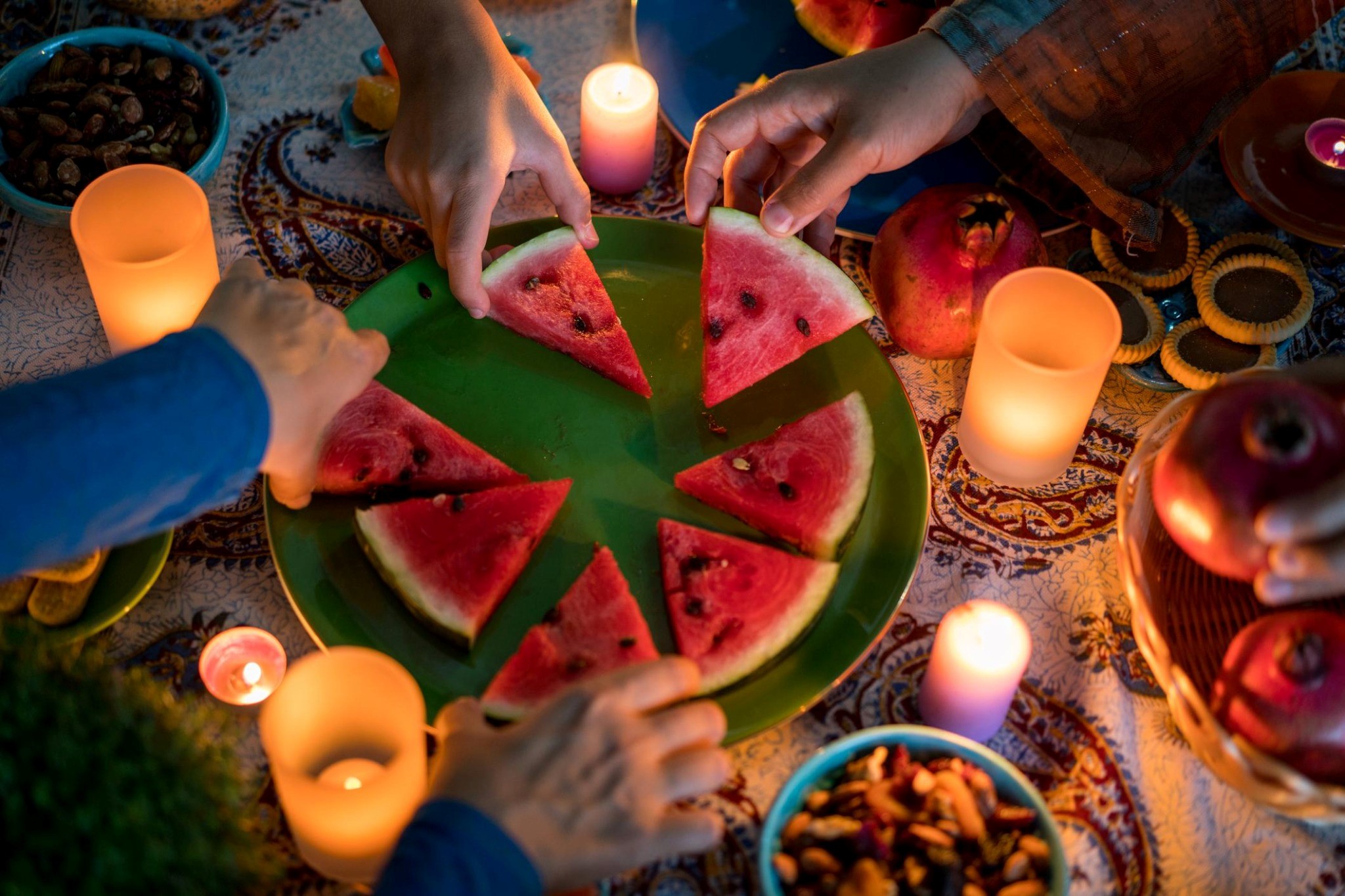
On Yalda Night, the longest night of the year, families and friends gather, read poems by Hafez, tell stories, and spend time together. Yalda represents the belief that even the longest darkness eventually ends and that light returns. For us, this message is connected to the hope for freedom, justice, and a future in which every person’s rights are respected. Human-rights significance: Hope must not be silenced. Free thought, literature, remembrance, and collective storytelling are essential parts of an open society.
Mehregan — Friendship and Justice
Mehregan is one of the oldest Iranian celebrations. It represents friendship, gratitude, love, justice, and social solidarity. The celebration reminds us to take responsibility for one another, respect diversity, and build a society in which no one is excluded because of their background, gender, religion, or beliefs. Human-rights significance: Equality, solidarity, and mutual respect are not abstract concepts. They come to life wherever people protect one another and understand differences as a source of enrichment.